
Some restaurants fill every seat night after night while others struggle to draw a crowd. The difference rarely comes down to a single factor. The restaurants people genuinely want to visit get dozens of small details right — from the moment a guest walks through the door to the way they feel when they leave. This guide breaks down the essential building blocks of a restaurant that earns repeat visits, word-of-mouth buzz, and a loyal following.
1. Develop a Distinctive Concept & Atmosphere
Every successful restaurant starts with a clear identity. Before you pick a color palette or write a single menu item, answer the question: What experience are we selling?A neighborhood taqueria, a fine-dining seafood house, a retro diner — the concept drives every decision that follows. Restaurants that try to be everything to everyone end up being memorable to no one.
Once the concept is locked in, translate it into a physical space that tells a story. Lighting, wall treatments, music volume, table spacing — all of it should reinforce the feeling you want guests to have. A dimly lit jazz lounge with barn wood and Edison bulbs sends a completely different signal than a bright, tile-covered brunch spot with floor-to-ceiling windows. Neither is wrong, but mixing them is.
Think about Instagram-worthy design, but do not sacrifice comfort for aesthetics. A gorgeous dining room where the booths are rock-hard or the bar stools wobble will generate photos but not return visits. Every single seat in the house should feel intentional. That means the two-top by the kitchen pass gets the same quality seating as the prime corner booth. Guests notice when they are stuck in the “bad seat,” and they remember it.
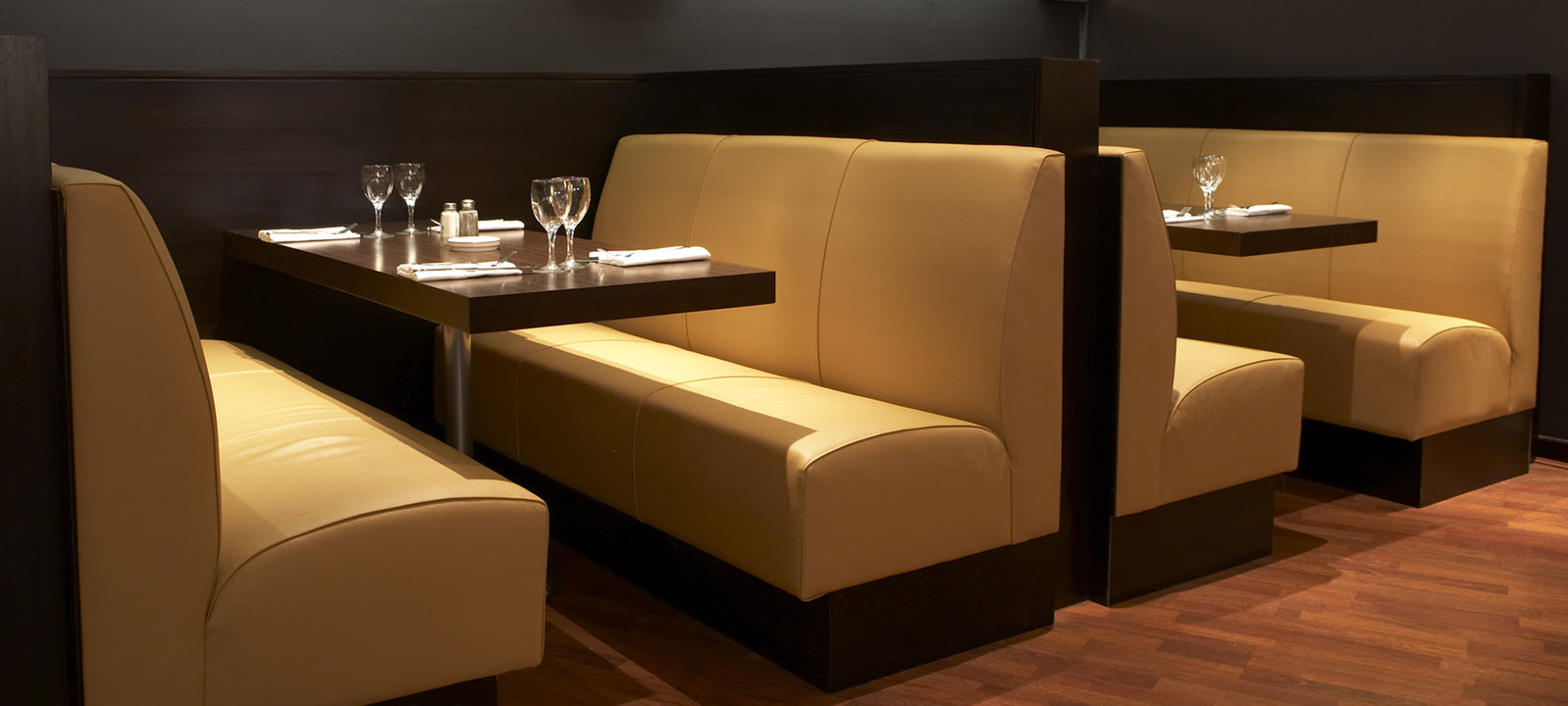
This is where upholstery becomes a silent brand ambassador. The texture, color, and condition of your seating communicates quality before a guest even opens the menu. Cracked vinyl says “we cut corners.” Plush, well-maintained leather says “we care about every detail.” The physical sensation of sitting down is the first real touchpoint of the dining experience, and it sets the tone for everything that follows.
2. Build a Menu That Works Harder
A common mistake is building a menu that is too long. A focused menu — typically 25 to 35 items — lets the kitchen execute at a higher level, reduces waste, and makes ordering easier for guests. When every dish is strong, guests trust the restaurant more than when they are wading through four pages of mediocre options.
Consistency is non-negotiable. A dish should taste the same on a Tuesday lunch as it does on a Saturday night. That means standardized recipes, precise portioning, and relentless quality checks. Restaurants that earn devoted regulars do so because guests know exactly what they are going to get — and it is always good.
Develop two or three signature items that become synonymous with your name. These are the dishes people describe to friends, post on social media, and drive across town to eat. They should be bold in flavor, visually striking, and difficult to replicate at home. Think of them as your marketing department in edible form.
Consider incorporating shareable, family-style plates into the format. Communal dining encourages larger check averages, longer table times (which builds atmosphere), and a social energy that solo plates cannot match. A roasted whole fish for two or a cast-iron skillet of nachos built for the table gives guests a reason to gather — and gathering is what restaurants are ultimately about.
3. Deliver Exceptional Service & Hospitality
Service and hospitality are not the same thing. Service is technical: taking orders accurately, running food promptly, refilling drinks before they are empty. Hospitality is emotional: making guests feel welcome, valued, and cared for. The best restaurants excel at both.
Invest in thorough staff training that goes beyond memorizing the menu. Teach your team how to read a table. A couple on a date night wants a different pace and level of interaction than a group of friends catching up over beers. Great servers adapt without being told. They anticipate needs, handle problems gracefully, and make every guest feel like the restaurant is glad they came.
The welcome matters enormously. A warm greeting within ten seconds of walking through the door — even a simple acknowledgment from a busy host — sets the psychological tone. Conversely, standing in a doorway being ignored for 30 seconds can color the entire experience negatively, no matter how good the food is.
Staff should also be trained to guide guests toward the best possible experience. That means honest menu recommendations, proactive communication about wait times, and genuine follow-up after the meal. The goal is for every guest to leave thinking, “They really took care of us.”
4. Build a Genuine Community Connection
The restaurants that survive for decades are the ones woven into the fabric of their neighborhoods. They are where locals celebrate birthdays, close business deals, and gather after little league games. Becoming that kind of place takes deliberate effort.
Start by knowing your regulars. Learn their names, their usual orders, their preferences. A simple “Welcome back, Sarah — the usual?” creates a sense of belonging that no marketing campaign can replicate. Track these details in your POS system or a simple notebook behind the host stand. The tool does not matter; the gesture does.
Host events that give people a reason to visit beyond hunger. Weekly trivia nights, live music on weekends, seasonal prix-fixe dinners, charity fundraisers, local artist showcases — these create touch points and bring in guests who might not otherwise walk through the door. Events also generate organic social media content, which extends your reach without spending a dollar on advertising.
Partner with other local businesses. Cross-promote with the brewery down the street, feature produce from the farm ten miles away, sponsor the neighborhood softball team. These relationships build goodwill, create referral networks, and reinforce the message that your restaurant is part of the community — not just in it.
5. Pursue Operational Excellence
Behind every great guest experience is a tight operation. Guests do not see (or should not see) the systems that keep a restaurant running smoothly, but they immediately feel the absence of them. Long wait times, order mistakes, slow payment processing — these are operational failures that destroy the dining experience.
Invest in user-friendly technology for reservations, ordering, and payments. Online booking should be seamless. If you use a waitlist system, make sure guests can check their status from their phone. Tableside payment options speed up table turns and reduce friction at the end of the meal. The technology should be invisible to the guest — it should just make everything feel effortless.
Kitchen workflow is equally critical. A well-organized line with clear communication between front and back of house minimizes ticket times and errors. Regular pre-service meetings (even five minutes) align the team on specials, 86'd items, large parties, and any operational notes for the shift. Small habits, practiced daily, compound into a remarkably smooth operation over time.
Maintenance falls under this umbrella as well. A flickering light, a wobbly table, a torn seat cushion — each one individually is minor, but collectively they signal neglect. The most successful operators walk their space with fresh eyes every single day, looking for anything that has slipped below standard. Preventive maintenance on furniture, fixtures, and equipment is always cheaper than emergency replacement.
6. Market with Precision, Not Volume
Generic restaurant advertising — “Great food, great service, great prices!” — is wallpaper. People scroll right past it. Effective restaurant marketing tells a specific story about something specific. Feature a single dish with a close-up shot and a two-sentence origin story. Spotlight a team member. Share a behind-the-scenes video of prep work. Specificity is what stops the scroll.
Focus your paid marketing budget on your unique menu items and signature experiences rather than broad brand awareness. A targeted ad promoting your dry-aged burger to food-interested audiences within a 15-mile radius will outperform a generic “Visit us today!” ad with ten times the budget.
User-generated content is your most powerful asset. Encourage guests to share their experience by creating photogenic moments — a dramatic tableside presentation, a beautifully plated dessert, a striking interior design detail. Make your restaurant easy to tag by keeping your social handles visible on menus, table tents, and receipts. Every guest photo is a free endorsement to their entire network.
Do not overlook Google Business Profile. For most restaurants, this is the single highest-impact digital asset. Keep it updated with current hours, fresh photos, and prompt responses to reviews. A restaurant with 200 reviews and a 4.6 average that responds to every comment will draw more new guests than one with 50 reviews and a 4.8 that never engages.
7. Prioritize Local Ingredients
Sourcing locally is not just a trend — it is a practical strategy that improves quality, reduces supply chain risk, and resonates with today's diners. Ingredients that travel fewer miles arrive fresher. A tomato picked yesterday from a farm 20 miles away will outperform a tomato shipped across the country every single time.
Local sourcing also gives you a story to tell. Diners increasingly want to know where their food comes from. Listing the farm name on the menu, introducing the rancher who raises your beef, or showcasing the local bakery that supplies your bread — these details create authenticity that guests can taste and feel. It transforms a meal from a transaction into an experience.
Build relationships with regional producers and negotiate seasonal agreements. This often lowers costs compared to broadline distributors while giving you access to products your competitors cannot offer. A seasonal menu that rotates based on what is available locally keeps the experience fresh for regulars and gives you a natural reason to promote new dishes throughout the year.
8. Key Action Items to Implement Now
Walk in your guest's shoes. At least once a month, enter through the front door and experience your restaurant as a first-time visitor would. Is the entrance clean and inviting? Does the host greet you promptly? Is the seating comfortable? Is the lighting flattering? Are the restrooms spotless? This exercise reveals problems you have become blind to through daily familiarity.
Emphasize consistency above all else.A restaurant that delivers an 8-out-of-10 experience every single time will outperform one that alternates between 10 and 5. Consistency builds trust, and trust drives repeat business. Audit every touchpoint — food quality, service timing, cleanliness, music volume, temperature — and establish standards that do not waver.
Engage online with intention.Respond to every review — positive and negative — within 48 hours. Thank guests who leave kind words and address concerns with genuine empathy, never defensiveness. On social media, post at least three times per week with a mix of food photography, team spotlights, and behind-the-scenes content. Engagement builds the kind of digital presence that converts followers into diners.
Invest in your physical space.Your dining room is a stage, and the furniture is the set design. Worn, damaged, or outdated seating undermines every other investment you have made — the chef you hired, the menu you developed, the marketing you paid for. Reupholstering booths, banquettes, bar stools, and chairs is one of the highest-ROI improvements a restaurant can make. It refreshes the entire look and feel of the space at a fraction of the cost of a full renovation.
Think long-term, act daily.The restaurants that become institutions do not get there through a single grand gesture. They get there by making hundreds of small, intentional decisions every day — from the quality of the napkins to the warmth of the greeting to the condition of the seats. Excellence is a habit, not an event.
Where Seating Fits Into the Bigger Picture
Every section of this guide touches on guest perception, comfort, and brand consistency — and your seating is at the intersection of all three. It is the physical foundation of the dining experience. A guest can forgive a slightly long wait or a minor kitchen delay, but sitting in a booth with cracked upholstery or a barstool with flattened padding creates a visceral, subconscious reaction that no amount of great food can fully overcome.
At Vinyl Doctor Systems, we specialize in commercial upholstery for restaurants, bars, and hospitality venues across the Dallas–Fort Worth area. Whether you are refreshing a tired dining room, rebranding with new materials and colors, or maintaining seats that still have life in them, we help restaurant owners protect one of their most important assets — the guest's first impression.
Ready to elevate your restaurant's seating?
Get a free on-site consultation. We'll assess your current upholstery, discuss material options, and provide a competitive estimate — no obligation.
Get a Free Consultation